9827135003

Bones, joints, spine and mobility
Orthopaedics &
Joint Care

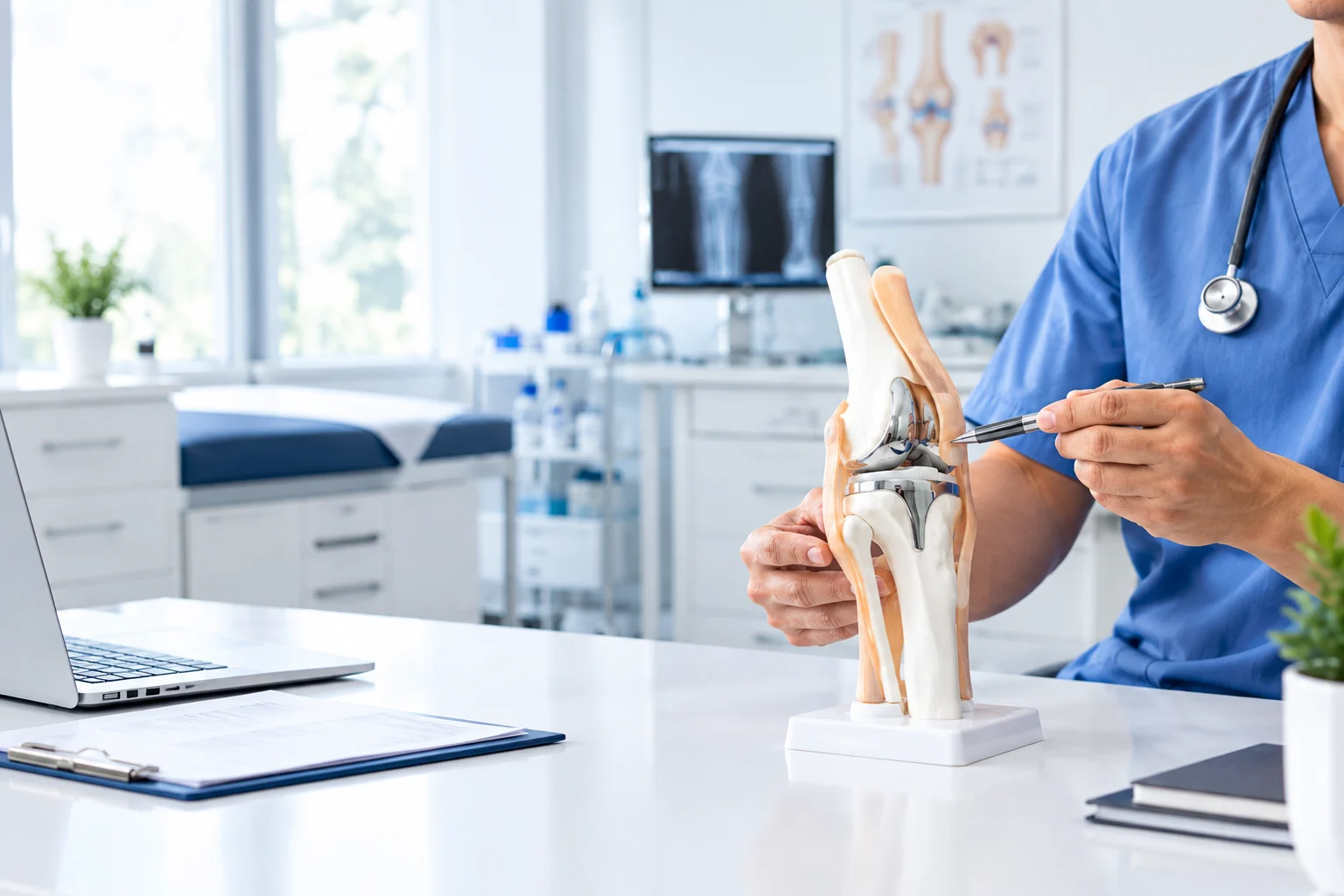
We provide comprehensive care for bones, joints, and spine, helping patients manage pain, recover from injuries, and improve mobility. With personalized treatment and modern medical approaches, we focus on restoring movement, supporting faster recovery, and helping you return to a healthier, more active life.
Bones, joints, spine and mobility
Orthopaedics & Joint Care
We provide comprehensive care for bones, joints, and spine, helping patients manage pain, recover from injuries, and improve mobility. With personalized treatment and modern medical approaches, we focus on restoring movement, supporting faster recovery, and helping you return to a healthier, more active life.
Our Orthopaedic Treatments

Fractures

When a bone fractures as a result of trauma, slipping accidents, or decreased strength of the bone. To guarantee appropriate recovery, discomfort relief, and function restoration, we provide immediate examination and well-thought-out management. Our strategy concentrates on long-term mobility, safety, and accuracy.

01. Visible deformity

02. Loss of function

03. Tenderness and bruising

04. Severe pain and swelling

05. Difficulty or inability to move the affected area

01. Guided movement restoration

02. Strength and mobility support

03. Regular follow-up assessments

04. Focus on safe, complete recovery

01. Focus on functional recovery

02. Experienced trauma management

03. Patient comfort and safety priority

04. Ethical and evidence-based decisions

Hip Replacement

When everyday activities become challenging, hip replacement surgery is used to relieve chronic hip pain and restore joint movement. With the goal to help patients regain their movement, comfort, & confidence for a better quality of life, we concentrate on thorough examination, moral surgical planning, and organized recovery assistance.

01. Degenerative or damaged hip joint

02. Reduced joint movement or stiffness

03. Difficulty walking, standing, or sleeping

04. Chronic hip pain affecting daily activities

04. Pain not relieved by conservative management

01. Advanced joint is/was damage

02. Post-traumatic joint changes

03. Age-related joint degeneration

04. Long-standing mobility limitations

01. Experienced surgical team since years

02. Emphasis on motion restoration

03. Patient-focused planning and communication

04. Commitment to ethical, evidence-based care

Joint Dislocation

When bones are pushed out of their natural position as a result of trauma or injury, joint dislocation happens. In order to reduce the risk of long-term instability or recurrence while reducing pain, protecting surrounding tissues, and restoring joint function, we concentrate on timely assessment, careful stabilization, and gentle realignment.

01. Falls or accidents

02. Sports-related injuries

03. Previous joint instability

04. Sudden force or twisting movements

01. Visible joint deformity

02. Intense pain and swelling

03. Tenderness around the joint

04. Restricted or abnormal movement

01. Immobilization when required

02. Monitoring to prevent recurrence

03. Gradual restoration of movement

04. Strengthening and stability guidance

Sciatica

Pain that radiates from the lower back into the leg is referred to as sciatica, and it is brought on by irritation or compression of the sciatic nerve. Through meticulously thought-out, patient-centered care targeted at long-term relief, we concentrate on comprehensive examination, relieving nerve pressure, and restoring comfort.

01. Prolonged poor posture or strain

02. Nerve compression in the lower spine

03. Spinal wear and age-related changes

04. Disc-related changes affecting nerve roots

01. Radiating pain from back to leg

02. Muscle weakness or heaviness

03. Numbness or tingling sensations

04. Discomfort while sitting or standing

01. Better quality of daily life

02. Reduced nerve-related pain

03. Lower risk of chronic symptom

04. Improved movement and comfort

Herniated Discs

When a spinal disc’s soft inner part pushes outward, it can cause herniated discs, which irritate surrounding nerves. Pain, numbness, or weakness may result from this. In order to promote long-term spinal health, we prioritize thorough assessment, nerve pressure relief, and comfort restoration through organized, patient-centered care.

01. Age-related disc wear

02. Repetitive spinal stress

03. Poor posture over time

04. Sudden strain or lifting injuries

01. Muscle weakness

02. Tingling or numbness

03. Pain worsened by movement

04. Localized or radiating back pain

01. Improved spinal mobility

02. Enhanced daily function

03. Lower chances of chronic pain

04. Reduced nerve-related discomfort

Spondylosis

Age-related wear on the cartilage, joints, and bones causes spondylosis, a degenerative disease of the spine. It frequently results in discomfort, stiffness, and reduced movement. To enhance comfort, flexibility, and long-term spinal health, we concentrate on early examination, relief from symptoms, and supportive care.

01. Repetitive spinal strain

02. Prolonged poor posture

03. Disc and joint wear over time

04. Age-related spinal degeneration

01. Reduced flexibility

02. Neck or lower back stiffness

03. Persistent or activity-related pain

04. Occasional nerve-related discomfort

01. Focus on slowing progression

02. Strength and flexibility support

03. Regular monitoring of symptoms

04. Gradual improvement of movement

Arthritis

The inflammation of one or more joints, which results in stiffness, discomfort, swelling, and decreased mobility, is the most common sign of arthritis. If left untreated, it can affect people of any age and become worse over time, affecting everyday activities and their overall standard of life.

01. Swelling, redness, or warmth around joints

02. Pain that worsens with activity or over time

03. Difficulty in movement or reduced range of motion

04. Persistent joint pain or stiffness, especially in the morning

01. Previous joint injury or repetitive stress

02. Genetic factors, obesity, or metabolic disorders

03. Wear and tear of joints due to aging (osteoarthritis)

04. Autoimmune conditions attacking joint lining (rheumatoid arthritis)

01. Physiotherapy and lifestyle modifications

02. Medications to reduce pain and inflammation

03. Advanced interventions or surgery in severe cases

04. Clinical evaluation and imaging to identify the type of arthritis

Rotator Cuff Injury

Damage to the collection of muscles and tendons that support the shoulder joint is referred to as a rotator cuff injury. It frequently results in shoulder weakness, pain, and limited mobility, particularly when lifting or performing overhead tasks. Long-term shoulder dysfunction can be avoided with early detection and treatment.

01. Difficulty lifting or rotating the arm

02. Weakness in the shoulder during routine activities

03. Pain following a fall, injury, or repetitive overhead use

04. Persistent shoulder pain, especially at night or while resting

01. Sudden trauma such as falls or accidents

02. Poor posture or improper lifting techniques

03. Age-related wear and tendon degeneration

04. Repetitive shoulder movements or overuse

01. Physiotherapy to restore strength and mobility

02. Clinical examination with imaging like X-ray or MRI

03. Pain control with medications and activity modification

04. Surgical repair in cases of severe or complete tendon tears

Our Orthopaedic Treatments

Fractures

When a bone fractures as a result of trauma, slipping accidents, or decreased strength of the bone. To guarantee appropriate recovery, discomfort relief, and function restoration, we provide immediate examination and well-thought-out management. Our strategy concentrates on long-term mobility, safety, and accuracy.

Common Symptoms

01. Visible deformity

02. Loss of function

03. Tenderness and bruising

04. Severe pain and swelling

05. Difficulty or inability to move the affected area

01. Guided movement restoration

02. Strength and mobility support

03. Regular follow-up assessments

04. Focus on safe, complete recovery

01. Focus on functional recovery

02. Experienced trauma management

03. Patient comfort and safety priority

04. Ethical and evidence-based decisions

Hip Replacement

When everyday activities become challenging, hip replacement surgery is used to relieve chronic hip pain and restore joint movement. With the goal to help patients regain their movement, comfort, & confidence for a better quality of life, we concentrate on thorough examination, moral surgical planning, and organized recovery assistance.

When Hip Replacement Is Considered

01. Degenerative or damaged hip joint

02. Reduced joint movement or stiffness

03. Difficulty walking, standing, or sleeping

04. Chronic hip pain affecting daily activities

04. Pain not relieved by conservative management

01. Advanced joint is/was damage

02. Post-traumatic joint changes

03. Age-related joint degeneration

04. Long-standing mobility limitations

01. Experienced surgical team since years

02. Emphasis on motion restoration

03. Patient-focused planning and communication

04. Commitment to ethical, evidence-based care

Joint Dislocation

When bones are pushed out of their natural position as a result of trauma or injury, joint dislocation happens. In order to reduce the risk of long-term instability or recurrence while reducing pain, protecting surrounding tissues, and restoring joint function, we concentrate on timely assessment, careful stabilization, and gentle realignment.

Common Causes

01. Falls or accidents

02. Sports-related injuries

03. Previous joint instability

04. Sudden force or twisting movements

01. Visible joint deformity

02. Intense pain and swelling

03. Tenderness around the joint

04. Restricted or abnormal movement

01. Immobilization when required

02. Monitoring to prevent recurrence

03. Gradual restoration of movement

04. Strengthening and stability guidance

Sciatica

Pain that radiates from the lower back into the leg is referred to as sciatica, and it is brought on by irritation or compression of the sciatic nerve. Through meticulously thought-out, patient-centered care targeted at long-term relief, we concentrate on comprehensive examination, relieving nerve pressure, and restoring comfort.

Common Causes

01. Prolonged poor posture or strain

02. Nerve compression in the lower spine

03. Spinal wear and age-related changes

04. Disc-related changes affecting nerve roots

01. Radiating pain from back to leg

02. Muscle weakness or heaviness

03. Numbness or tingling sensations

04. Discomfort while sitting or standing

01. Better quality of daily life

02. Reduced nerve-related pain

03. Lower risk of chronic symptom

04. Improved movement and comfort

Herniated Discs

When a spinal disc’s soft inner part pushes outward, it can cause herniated discs, which irritate surrounding nerves. Pain, numbness, or weakness may result from this. In order to promote long-term spinal health, we prioritize thorough assessment, nerve pressure relief, and comfort restoration through organized, patient-centered care.

Common Causes

01. Age-related disc wear

02. Repetitive spinal stress

03. Poor posture over time

04. Sudden strain or lifting injuries

01. Muscle weakness

02. Tingling or numbness

03. Pain worsened by movement

04. Localized or radiating back pain

01. Improved spinal mobility

02. Enhanced daily function

03. Lower chances of chronic pain

04. Reduced nerve-related discomfort

Spondylosis

Age-related wear on the cartilage, joints, and bones causes spondylosis, a degenerative disease of the spine. It frequently results in discomfort, stiffness, and reduced movement. To enhance comfort, flexibility, and long-term spinal health, we concentrate on early examination, relief from symptoms, and supportive care.

Common Causes

01. Repetitive spinal strain

02. Prolonged poor posture

03. Disc and joint wear over time

04. Age-related spinal degeneration

01. Reduced flexibility

02. Neck or lower back stiffness

03. Persistent or activity-related pain

04. Occasional nerve-related discomfort

01. Focus on slowing progression

02. Strength and flexibility support

03. Regular monitoring of symptoms

04. Gradual improvement of movement

Arthritis

The inflammation of one or more joints, which results in stiffness, discomfort, swelling, and decreased mobility, is the most common sign of arthritis. If left untreated, it can affect people of any age and become worse over time, affecting everyday activities and their overall standard of life.

When to Seek Care

01. Swelling, redness, or warmth around joints

02. Pain that worsens with activity or over time

03. Difficulty in movement or reduced range of motion

04. Persistent joint pain or stiffness, especially in the morning

01. Previous joint injury or repetitive stress

02. Genetic factors, obesity, or metabolic disorders

03. Wear and tear of joints due to aging (osteoarthritis)

04. Autoimmune conditions attacking joint lining (rheumatoid arthritis)

01. Physiotherapy and lifestyle modifications

02. Medications to reduce pain and inflammation

03. Advanced interventions or surgery in severe cases

04. Clinical evaluation and imaging to identify the type of arthritis

Rotator Cuff Injury

Damage to the collection of muscles and tendons that support the shoulder joint is referred to as a rotator cuff injury. It frequently results in shoulder weakness, pain, and limited mobility, particularly when lifting or performing overhead tasks. Long-term shoulder dysfunction can be avoided with early detection and treatment.

When to Seek Care

01. Difficulty lifting or rotating the arm

02. Weakness in the shoulder during routine activities

03. Pain following a fall, injury, or repetitive overhead use

04. Persistent shoulder pain, especially at night or while resting

01. Sudden trauma such as falls or accidents

02. Poor posture or improper lifting techniques

03. Age-related wear and tendon degeneration

04. Repetitive shoulder movements or overuse

01. Physiotherapy to restore strength and mobility

02. Clinical examination with imaging like X-ray or MRI

03. Pain control with medications and activity modification

04. Surgical repair in cases of severe or complete tendon tears

‘Gayatri Hospital’ is built on a strong foundation of trust, ethics, and compassionate healthcare, serving the community since 1995. We transformed into a successful healthcare organization with several specialized departments that collaborated effectively over the years.

© 2025, Gayatri Hospital, All rights reserved || Designed By Digital Amigos

‘Gayatri Hospital’ is built on a strong foundation of trust, ethics, and compassionate healthcare, serving the community since 1995. We transformed into a successful healthcare organization with several specialized departments that collaborated effectively over the years.

© 2025, Gayatri Hospital, All rights reserved || Designed By Digital Amigos